

Understanding Content Marketing
What is Content Marketing?
Content marketing is a strategic approach focused on creating and distributing valuable, relevant, and consistent content to attract and engage a clearly defined audience — with the goal of driving profitable customer action. Unlike traditional marketing, which often interrupts with advertisements, content marketing serves to educate and inform the consumer, thereby building trust and credibility for the brand.
The ultimate aim is to create a loyal audience base that will convert into customers and brand advocates. Whether it’s blog posts, videos, podcasts, or social media updates, the content produced is meant to address the pain points and interests of your target audience. This is central to mastering content marketing, as understanding who your audience is will dictate what kind of content you need to produce.
The significance of content marketing is evidenced by its wide adoption across industries. Companies recognize that consumers are increasingly resistant to traditional forms of advertising and instead seek valuable information that can help them solve their problems. As such, content marketing has become an integral part of any digital strategy, allowing brands to establish themselves as thought leaders in their respective fields.
Explore Content Mastery
Importance of Content Marketing in Digital Strategy
In today’s digital world, content marketing plays a pivotal role in any comprehensive digital marketing strategy. With the proliferation of digital channels, including social media and blogs, consumers have more options than ever before to access information and products. This makes mastering content marketing essential for standing out in a crowded digital landscape.
Content marketing offers numerous benefits, such as improved search engine rankings, greater brand recognition, and enhanced customer loyalty. By consistently delivering quality content that meets the needs of your audience, you increase the chances of your brand being discovered online. Search engines like Google reward websites that offer valuable content by ranking them higher in search results. This can lead to increased website traffic and, ultimately, higher conversion rates.
Moreover, effective content marketing can help nurture customer relationships and foster a sense of community around your brand. Engaged audiences are more likely to become loyal customers and even advocates for your brand, amplifying your message through word-of-mouth.
With advancements in technology and ever-changing consumer behavior, content marketing is continually evolving. Businesses need to stay updated on the latest content marketing tips for 2025 and beyond to remain competitive. Whether you are a beginner or a seasoned marketer, understanding the foundational elements of content marketing is crucial for achieving success.
Creaite Review: The AI Content Writer That Writes For You?
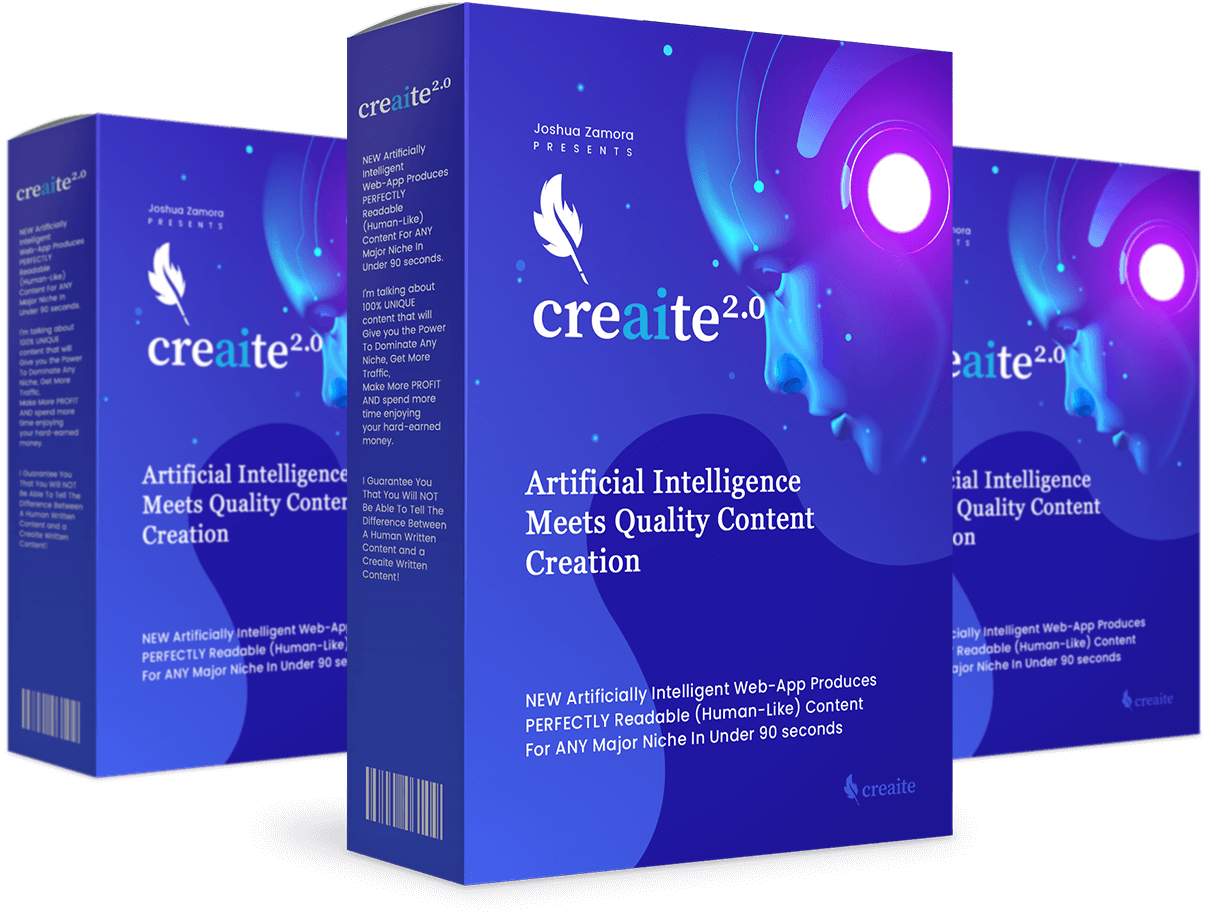
*Direct link to official manufacturer site
Key Components of a Successful Content Marketing Strategy
Identifying Your Target Audience
A critical step in mastering content marketing is to accurately identify your target audience. Your content will only be effective if it’s tailored to the needs, preferences, and behaviors of the people you intend to reach. Start by developing detailed buyer personas, which include demographic data, interests, challenges, and buying behaviors.
Utilize tools such as Google Analytics, social media insights, and customer surveys to gather information about your audience. This data will help you understand what type of content resonates with them and where they prefer to consume it. By having a clear picture of your audience, you can create content that speaks directly to their needs, ultimately leading to higher engagement and conversions.
Furthermore, identifying your target audience allows you to align your content marketing strategy with your broader business goals. For example, if your objective is to enter new markets, knowing the cultural nuances and preferences of different segments can guide your content strategy.
Discover Advanced Content Strategies
Setting Clear Goals and Objectives
Another essential component of a successful content marketing strategy is setting clear, measurable goals and objectives. Whether your aim is to increase brand awareness, generate leads, or boost sales, having defined goals will guide your content creation efforts and help measure success.
Effective content marketing strategies are anchored by SMART goals — Specific, Measurable, Achievable, Relevant, and Time-bound. Instead of vague objectives like “increase website traffic,” a SMART goal would be “increase website traffic by 20% over the next six months through targeted blog posts and social media campaigns.”
Having clear objectives helps in planning a content marketing plan that aligns with your overall business strategy. It also enables you to track the performance of your content through key performance indicators (KPIs) such as website visits, engagement rates, or customer acquisition costs. This data-driven approach not only illustrates the impact of your efforts but also guides future decision-making.
Finally, setting clear goals ensures that your entire team is aligned with the vision and purpose of your content marketing efforts. It facilitates better collaboration and understanding of what success looks like, leading to more effective and consistent content creation techniques.
Creating Compelling Content
When delving into how to master content marketing, the creation of engaging and compelling content is paramount. The essence of content marketing lies in not just producing content, but crafting pieces that resonate with your audience, entice action, and cultivate long-term loyalty. Knowing your target audience is critical, and creating content tailored to their interests ensures relevance and engagement. But what types of content should you consider?
Types of Content to Consider
Firstly, blog posts remain a staple in content strategy. They are versatile, easy to share, and can be optimized for SEO purposes. Meanwhile, video content has risen in popularity, capitalizing on visual and auditory engagement which often results in higher retention rates compared to text-based content. Infographics serve as another powerful tool, simplifying complex data into visually appealing graphics that are easily digestible. Additionally, podcasts offer an opportunity to reach audiences during activities such as commuting or exercising, providing value without demanding undivided attention.
Tips for Creating Engaging Content
To ensure your content stands out, focus on quality over quantity. Start by crafting a captivating headline that invokes curiosity or solves a problem. This encourages users to click and engage further. Incorporate storytelling techniques to create a narrative that draws audiences in and aligns with their experiences. Moreover, employ SEO best practices by seamlessly integrating primary and secondary keywords, enhancing discoverability.
Visual elements play a crucial role in engagement as well. Utilize high-quality images, graphics, and videos to break up text and maintain reader interest. Furthermore, incorporating interactive elements such as polls, quizzes, and clickable elements can increase participation and time spent on your page.
Lastly, ensure all content is accessible and inclusive. This not only broadens your reach but also fosters an inclusive environment that recognizes and respects diverse audiences.
Content Mastery has been recognized as a top performer this year. ⭐⭐⭐⭐⭐
Promoting Your Content Effectively
Once you have crafted compelling content, the next step in learning how to master content marketing is ensuring it reaches the right audience. Effective content promotion amplifies your message and extends your reach across multiple channels.
Utilizing Social Media Platforms
Social media platforms are invaluable in content promotion. Each platform caters to different demographics and content types, allowing for targeted promotion strategies. For instance, Instagram and TikTok thrive on short, visually appealing content, while LinkedIn serves as an ideal platform for B2B content and professional articles. Tailor your content style and timing to each platform’s unique audience and engagement patterns.
Creating a regular posting schedule, using platform-specific analytics to identify the best times to post, and engaging with your audience through comments and messages are all vital strategies. Paid social media advertising can further enhance reach and engagement, offering advanced targeting options to ensure your content appears in front of the right people.
Leveraging Email Marketing
Email marketing remains one of the most cost-effective methods for content promotion. It provides direct access to your audience, allowing for personalized content delivery. Building an email subscriber list and segmenting it based on interests, engagement levels, and other criteria ensures your content is both relevant and timely.
Crafting compelling email content is crucial. This includes writing an attention-grabbing subject line and keeping content concise, with a clear call to action. Incorporating personalized elements, such as addressing recipients by name and recommending content based on past interactions, significantly enhances engagement rates.
Furthermore, integrating your content pieces within a larger content marketing plan ensures consistency and reinforces your brand message across all channels. Regularly testing and analyzing the performance of your promotional efforts will assist in refining your approach, ensuring continuous improvement and success in your content marketing initiatives.
Common Challenges in Content Marketing and How to Overcome Them
Dealing with Content Saturation
The digital realm is flooded with content, leading to what’s known as ‘content saturation.’ This makes it increasingly difficult for individual pieces to stand out and capture the audience’s attention. To combat this, focus on differentiating your content through quality and depth. Conduct thorough research and offer unique insights and perspectives that are not readily available elsewhere. Utilizing SEO best practices ensures that your content is discoverable, while targeting niche topics can help you engage a specific audience more effectively.
Additionally, consider diversifying your content formats. Incorporating video, podcasts, and interactive media can make your content more engaging and accessible to a broader audience. Stay updated on emerging trends and technologies, adapting your strategies to leverage new opportunities.
Maintaining Consistency and Quality
Another significant challenge in content marketing is maintaining a consistent publishing schedule without compromising on quality. Consistency helps build audience trust and keeps your brand at the forefront of their minds. Develop a content calendar to plan and organize your content production. This aids in scheduling posts and ensuring a steady flow of high-quality content.
To maintain quality, establish a content approval process involving multiple stakeholders who can provide feedback and oversee the final output. Continuous team training and skill development are crucial for staying updated with the latest content creation techniques and trends.
In situations where resource limitations hinder consistency and quality, consider outsourcing some tasks. Partnering with freelancers or specialized agencies can help bridge gaps in resources and skills, enabling your team to focus on core activities.
Conclusion
Mastering the art of content marketing requires understanding its multifaceted nature and being adaptable to its ever-changing landscapes. By implementing a robust strategy that encompasses identifying the right audience, setting clear goals, and creating engaging content, you’re positioning your brand for success. Effective promotion through social media and email marketing, combined with rigorous analysis and optimization, ensures that your efforts yield maximum results.
As discussed, every marketer faces challenges along the way, but with the right tools and strategies, these can be navigated successfully. The key lies in maintaining a strong focus on quality, consistency, and innovation while staying committed to your audience’s needs.
For those seeking comprehensive guidance and advanced tools to enhance their content marketing capabilities, consider exploring Content Mastery, a resource designed to propel your content strategies to new heights. As you continue on your journey to mastering content marketing, remember that each piece you create is a step toward establishing your brand’s authority and connecting more deeply with your audience.
Ready to try Creaite Review: The AI Content Writer That Writes For You??